Investigation Zone — Game-Based Learning Platform
Designed a game-based learning platform that eliminated developer dependency for mission updates, giving museum staff full editorial control over a live 4-mission escape room system.
 Museum of Solutions
 The Investigation Zone's digital layer required developer involvement for every new mission, limiting scalability and blocking museum staff from managing their own content.
Authored the full RFP, designed the front-end game experience and CMS back-end, then collaborated with development partner Noesis for a clean production handoff.
A live escape-room system with four active missions, self-registration, a photo booth, and a staff-manageable CMS. Zero developer intervention needed for content updates.
RFP & Systems Thinking
Authored a comprehensive RFP defining the modular quiz system, CMS feature set, multi-language support, real-time feedback logic, and Master CMS architecture before any wireframe was drawn. This gave Noesis a precise scope from day one.
Interaction Design
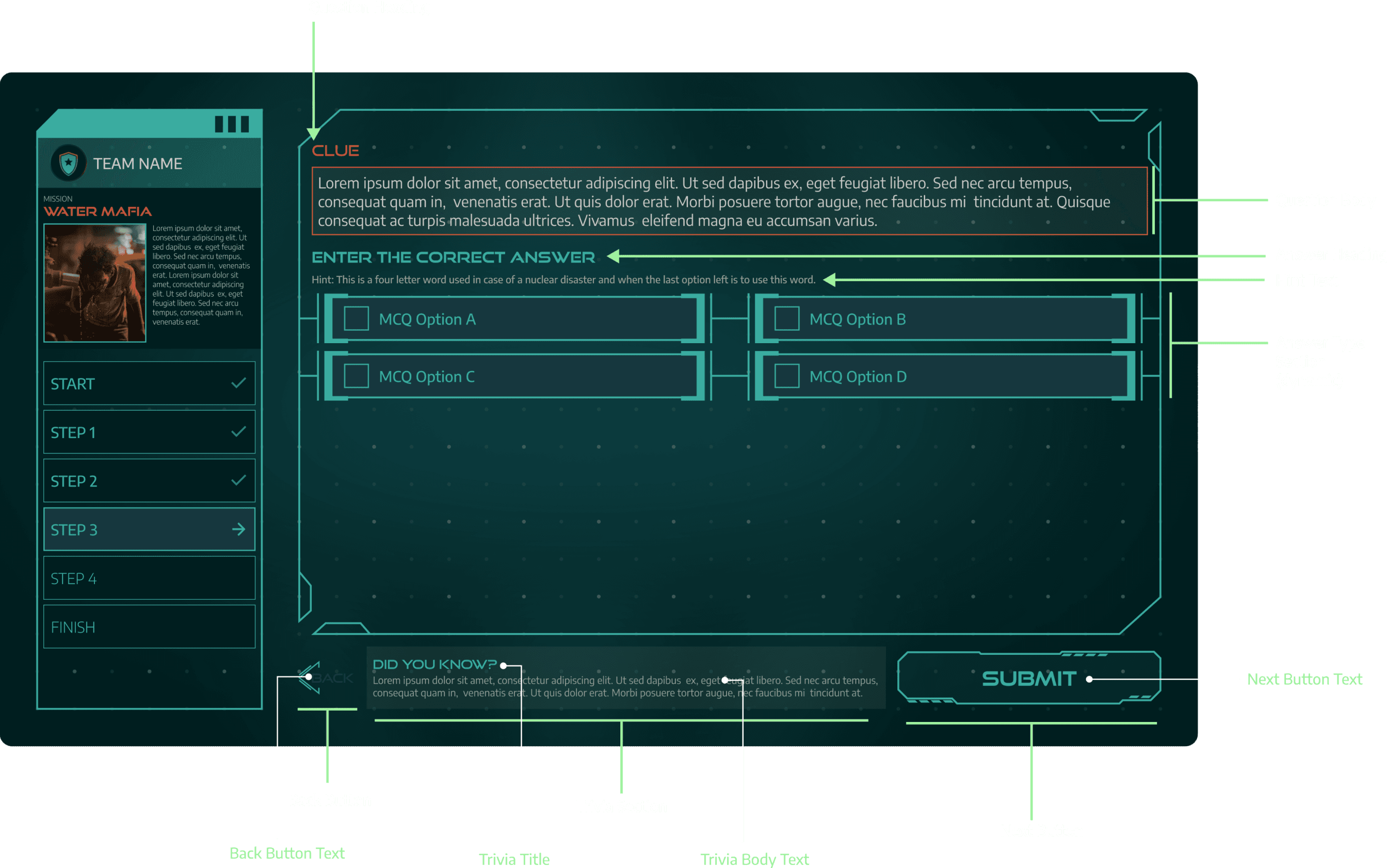
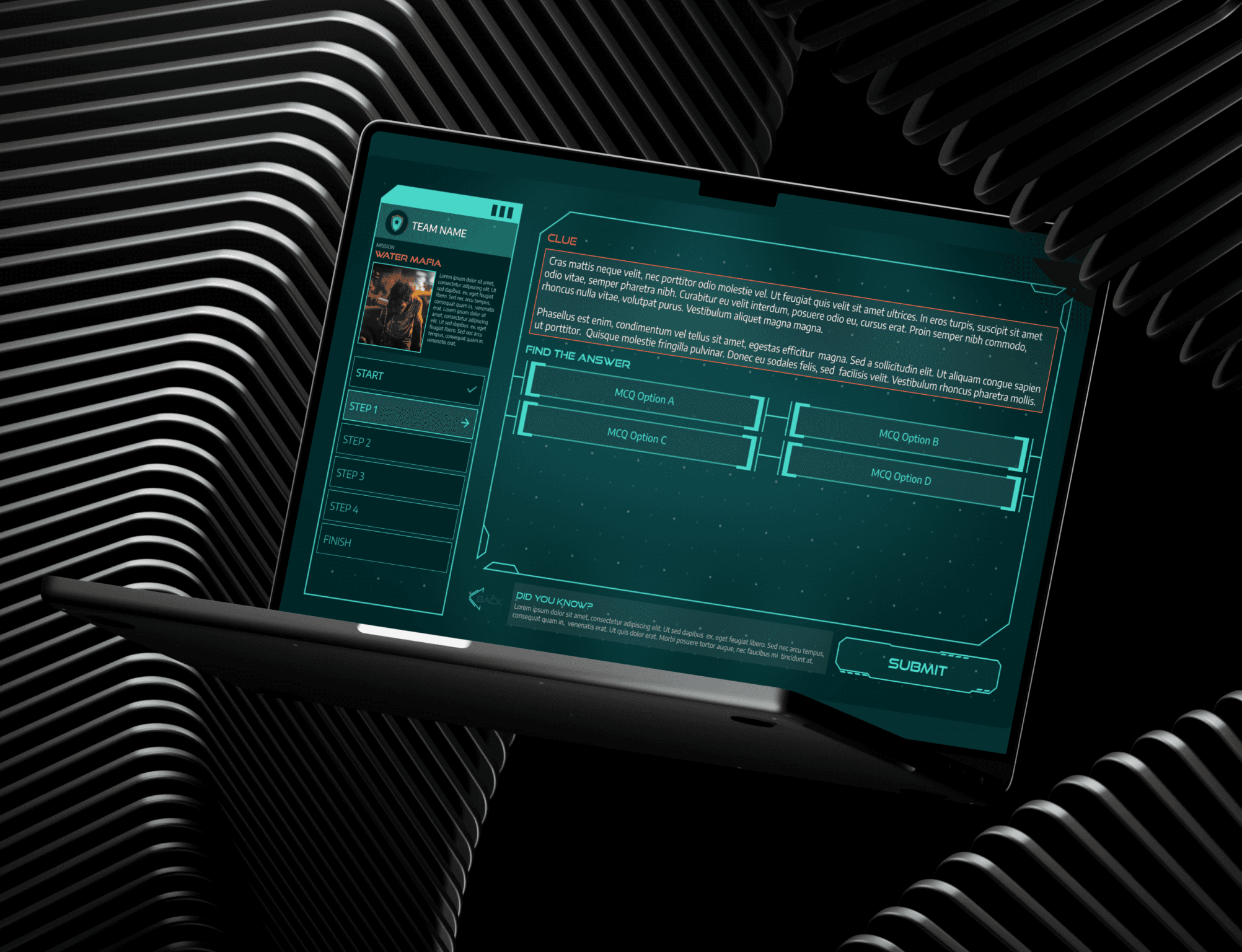
Designed the touch-based Control Station with a sci-fi aesthetic guiding children through missions with minimal facilitator input. Defined narrative pacing, challenge types (timers, hints, feedback states), and interface logic aligned to physical space cues.
CMS Architecture
Designed an Experience Management System allowing museum staff to create, preview, and deploy mission content without code. Proposed a Master CMS architecture for future integration across all MuSo digital exhibits.
Dev Collaboration & Handoff
Worked closely with Noesis, providing system maps, UX flows, and design specs. Supported QA and planned for future extensibility, ensuring the handoff translated cleanly into a production-ready system.
CHALLENGE
A physical experience without a scalable digital backbone
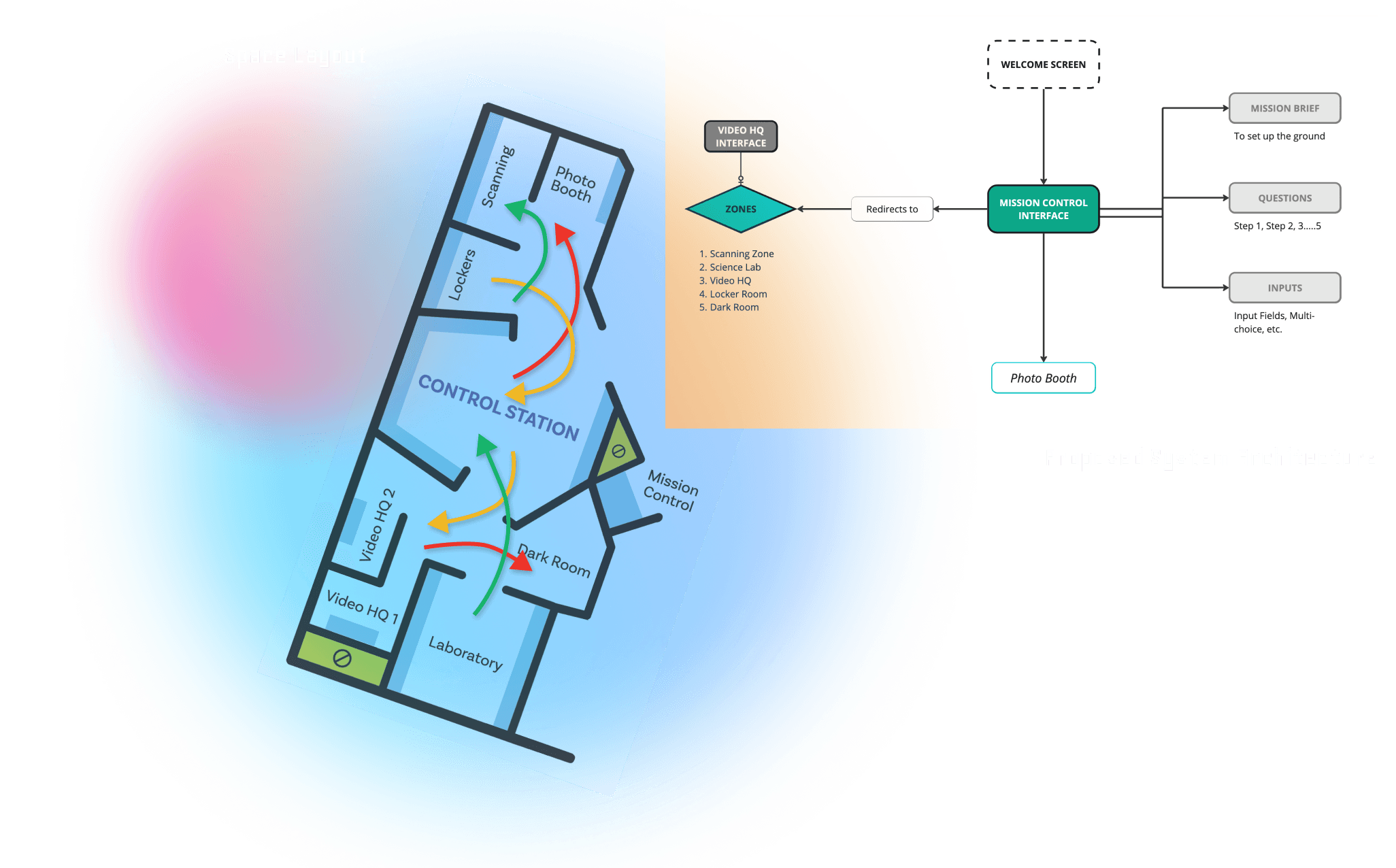
Investigation Zone is an escape room-inspired space at the Museum of Solutions, designed for groups of 4–5 children aged 7+. Participants move through themed environments (Dark Room, Science Lab, Video HQ, and Locker Room), tackling real-world missions around flooding, internet blackouts, and coral reef collapse.
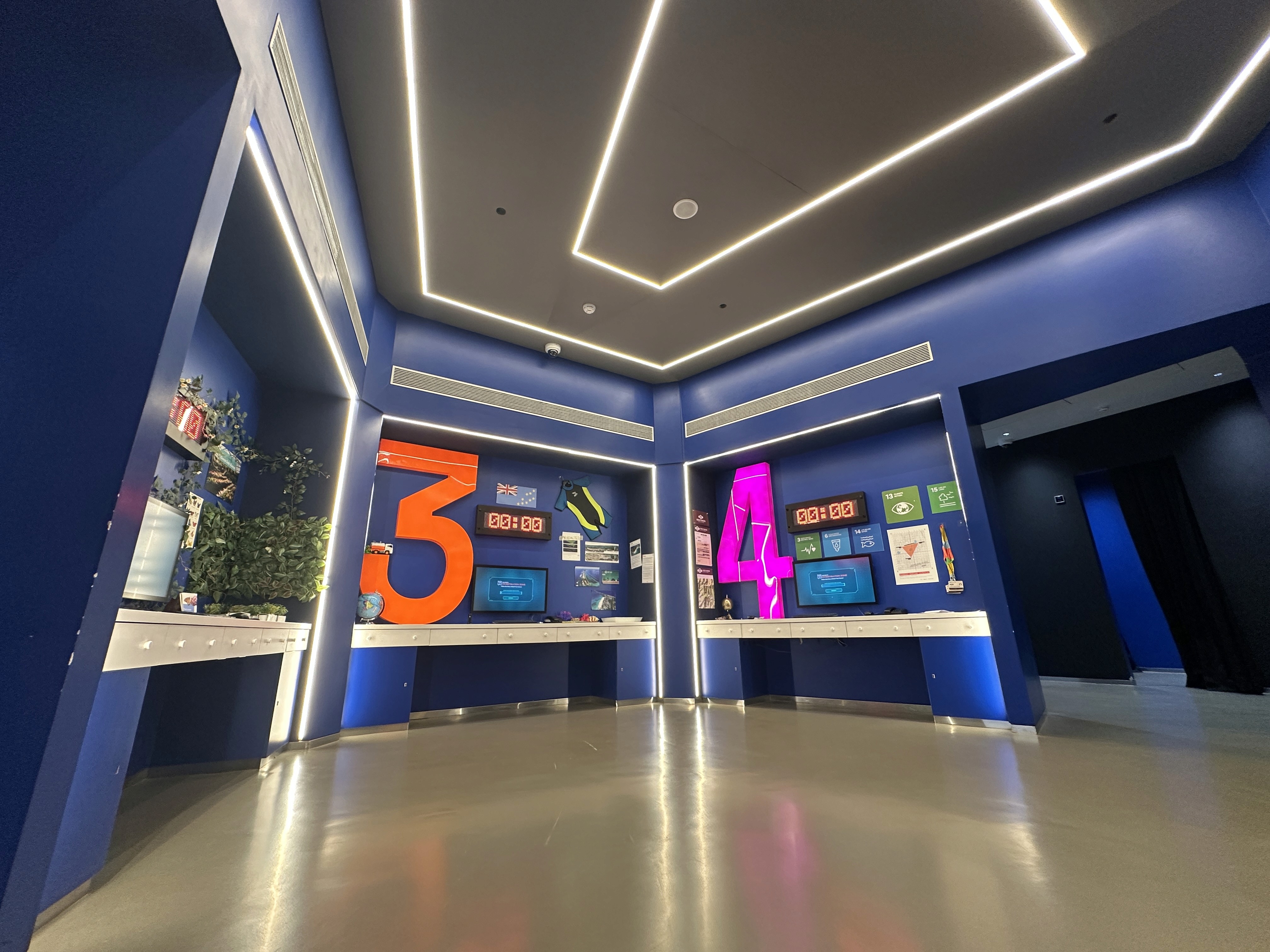
The digital layer driving gameplay had grown fragmented over time. Each new mission required developer involvement. The interface was visually inconsistent. Museum staff had no editorial control over the content they needed to run daily. The system couldn’t scale without significant overhead every time.
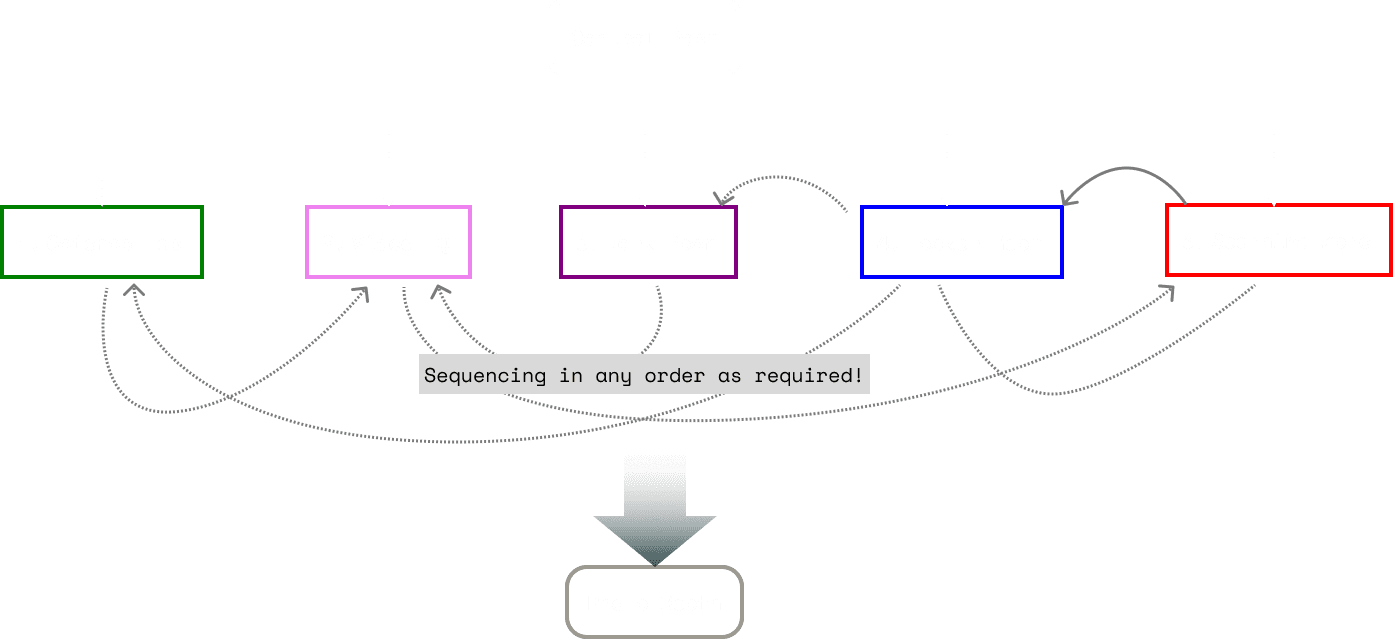
Two things needed to happen in parallel: redesign the front-end experience for children and facilitators, and build a content management system that put editorial control in the hands of non-technical staff.
STRATEGY
RFP-first, system before screen
Rather than jumping to wireframes, I started by authoring a full RFP. This document defined the system’s scope, architecture, and feature requirements: quiz configuration logic, multi-language support, media input types, real-time feedback behaviour, and a proposed Master CMS architecture for museum-wide scaling.
The RFP served two functions: it aligned internal stakeholders on what we were building, and it gave our development partner (Noesis) a precise brief from day one.
From there, design proceeded in two parallel tracks:
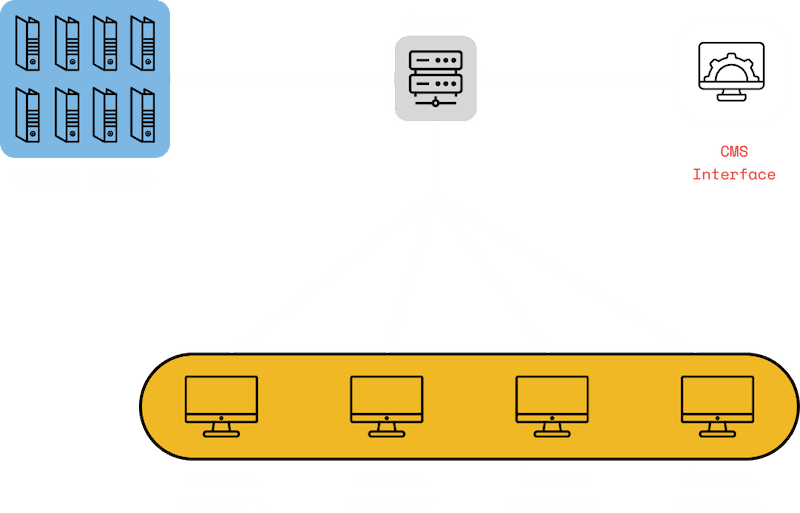
Game Front End: an immersive, child-friendly quiz experience integrated with the physical environment. Touch-based, sci-fi-inspired, minimal facilitator dependency. I defined narrative pacing, challenge types, and interface logic aligned with real-world space cues and mission props.
CMS Back End: a role-based admin interface for museum teams to create and deploy mission content without writing code. Supports multiple question types, media embeds, timer logic, and mission archiving. Designed to eventually scale into a Master CMS for the entire museum’s digital exhibits.
PROCESS
Player Self-Registration
Children register themselves at the zone entrance, reducing facilitator load and capturing accurate session data for each group before play begins.
Main Game
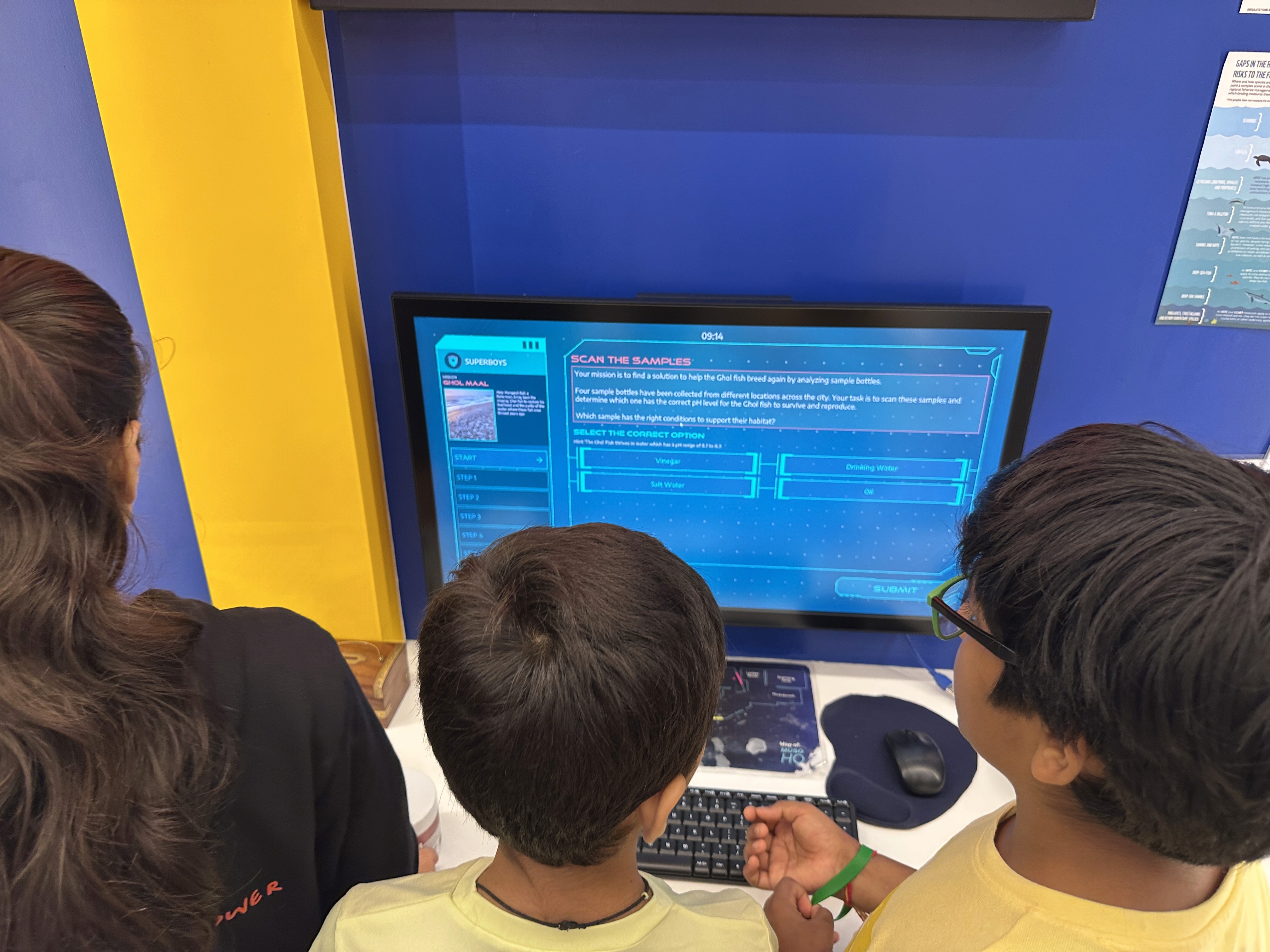
The Control Station guides groups through mission-specific quizzes, designed for shared use by 4–5 children simultaneously with sci-fi theming, progress tracking, and facilitator override capabilities.
Photo Booth
A victory station for groups that complete their mission — designed as a reward moment that creates a tangible, shareable memory and reinforces the sense of achievement.
Video Station
A supplementary interface for video-based clues and mission context, integrated within the zone’s physical layout.
OUTCOME
The Investigation Zone is live at MuSo with four concurrent missions. Museum staff deploy new mission content independently through the EMS, with zero developer involvement. Children navigate the full experience with minimal facilitator input, and real-time data tracks participation, performance, and drop-off across each session.
The modular CMS architecture was documented and handed off with extensibility built in, scoped to eventually expand into a Master CMS across the museum’s other digital exhibits.