
GROW LAB: Experience Design & Management
Led the design of a permanent living ecology exhibit at the Museum of Solutions, featuring real beehives, active composting, and growing installations visited by 50,000+ children every half-year.
 Museum of Solutions
 Design a permanent exhibit about growth and ecological systems that children aged 5–12 could inhabit and explore without instruction, letting nature be the teacher rather than explaining it.
Led experience design and creative direction across four phases: defining the spatial arc, translating ecological themes into material language, collaborating with consultant botanists, educationists, and a renowned permaculturist, and iterating from child observation studies.
GROW LAB is live at MuSo as a permanent exhibit with fully real biological installations. The museum received TIME's 100 World's Greatest Places 2024 recognition and the Children in Museums Award from Hands-On International.
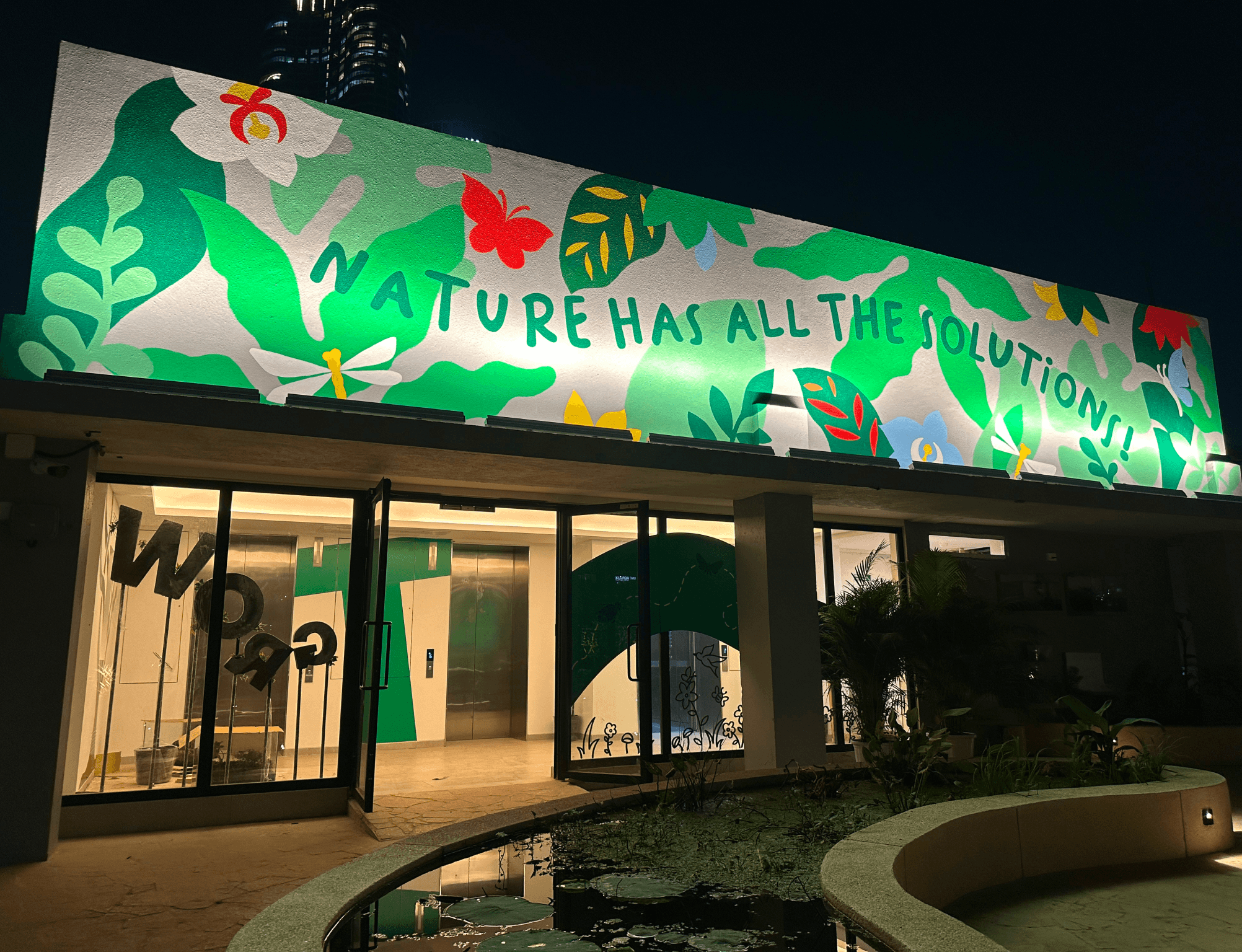
Defining the Experience Arc
Identified growth not as a linear path but as an ecosystemic process: branching, looping, decomposing, regenerating. This shaped the spatial plan: no rigid routes, but zones children could discover and connect through their own patterns of movement and play.
Concept Design & Material Language
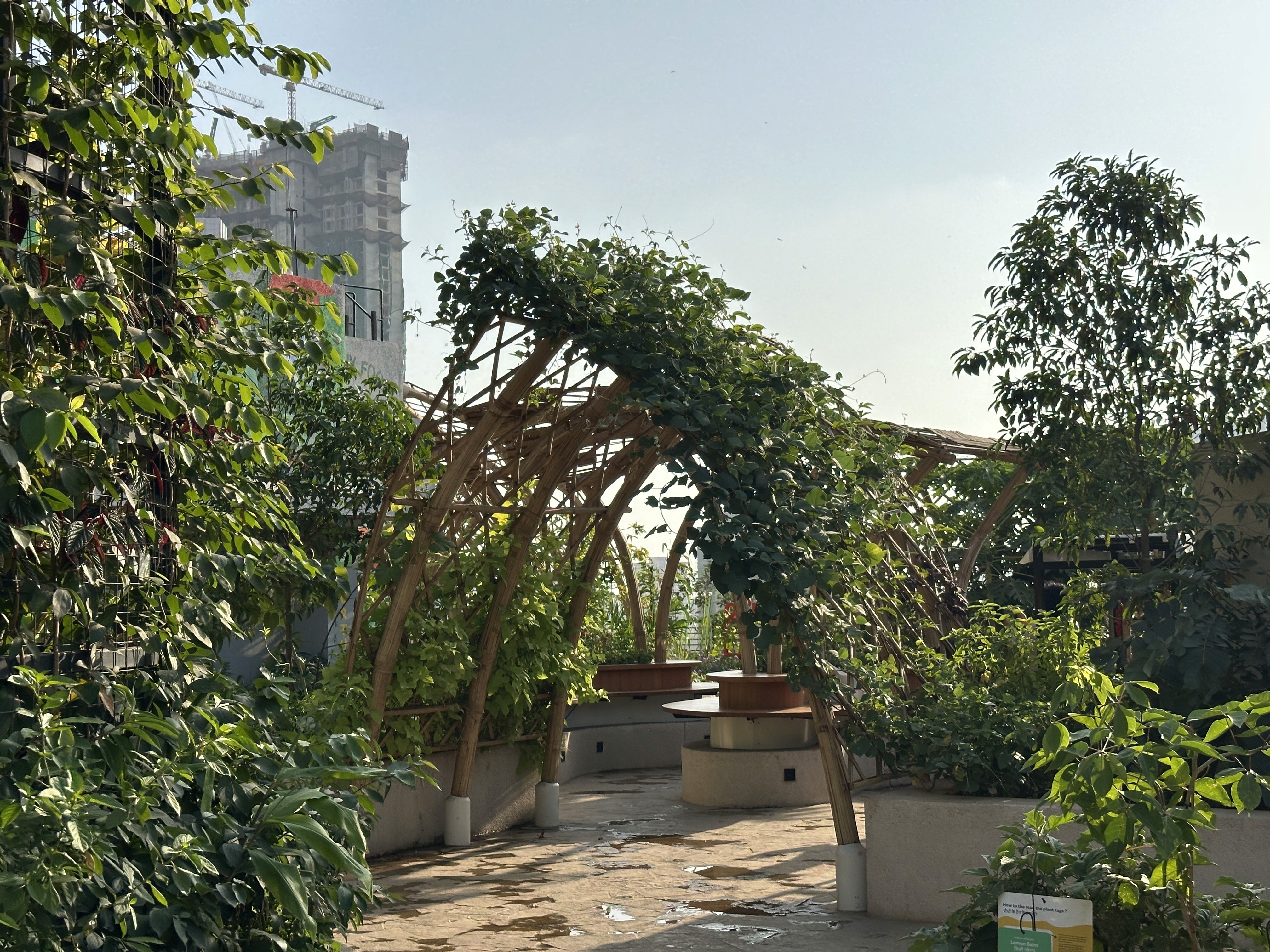
Led translation of natural themes into physical design: canopy-inspired installations, mycelium-like pathways, zones reflecting root networks and forest layers. Materials selected to feel earthy, durable, and texturally rich, designed to encourage lingering and repeated interaction.
Expert Collaboration
Worked with consultant botanists, educationists, and a renowned permaculturist to ensure the experience reflected real ecological systems, not metaphors. Key insights about mycorrhizal networks, forest layering, and decomposition cycles became embedded in both design elements and storytelling cues.
Observation, Feedback & Iteration
Prototyped textures, interactive components, and flow maps with children and facilitators. Refined based on engagement, emotional response, dwell time, and collaborative behaviour, not just task completion.
THE BRIEF
GROW LAB is a permanent exhibit at the Museum of Solutions focused on growth: not just as a biological process, but as a lens through which to understand patterns in nature, ecosystems, and forest intelligence. Designed for young visitors aged 5–12, it invites children to touch, observe, imagine, and play their way through a world inspired by the intelligence of natural systems.
All installations are live. Real beehives, active composting systems, growing plants, and working sustainable farming setups. Children interact with actual biological systems, not simulations or replicas.
The design challenge was to create a space that felt open and alive without rigid storytelling structures, where every decision honoured ecological authenticity and child-led exploration.
DEFINING THE EXPERIENCE ARC
The first work was conceptual. Growth is not a line. It branches, loops, decomposes, and regenerates. This became the organising logic of the spatial plan: no prescribed route, but zones that children could discover and connect through their own movement patterns.
Areas reflected the layers of a forest: canopy, understory, ground layer, root network, decomposition. Each zone offered a different mode of engagement: sensory, physical, observational, collaborative. The experience was designed to reward both the child who sprints through and the child who sits quietly with one thing for ten minutes.
MATERIAL LANGUAGE
I led the translation of natural themes into physical design. Canopy-inspired installations. Mycelium-like pathways. Surfaces with real tactile variation: bark, moss, stone, woven fibre. Materials were chosen not just for durability but for sensory quality: things that invite touch, that feel different from the world outside the museum.
The goal was a space that felt found rather than constructed, an environment that suggested the intelligence of natural systems without labelling it.
EXPERT COLLABORATION
Working with consultant botanists, educationists, and a renowned permaculturist was central to keeping the exhibit ecologically honest. These collaborators brought key insights that became embedded in the design:
- How mycorrhizal networks allow trees to share nutrients, reflected in the root zone’s connective layout
- How forest layers serve different species, informing the vertical differentiation of the space
- How decomposition creates the conditions for new growth, given its own dedicated area rather than being hidden
The design brief was a translation exercise between ecological knowledge and child experience, facilitated through structured workshops and iterative review.
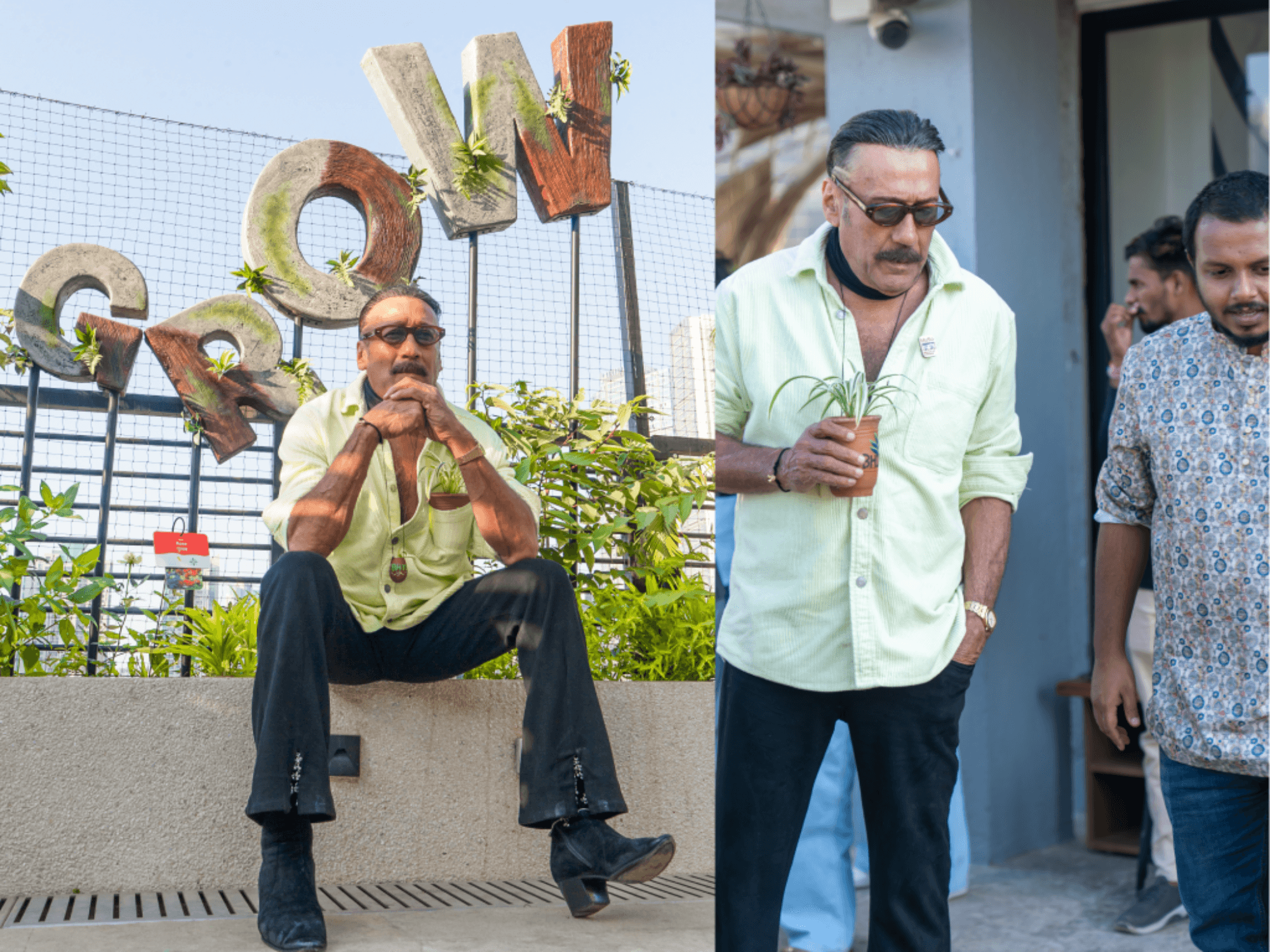
TESTING WITH CHILDREN
We prototyped textures, interactive components, and spatial flow with children and facilitators before finalising fabrication. Observations tracked not just engagement, but emotional response, dwell time, and moments of spontaneous collaboration between children who didn’t know each other.
Key insights from observation shaped final decisions: where to add tactile interruptions that slow children down, where open space was needed for groups to coalesce, and where to reduce visual complexity so individual elements could be properly noticed.
INAUGURATION
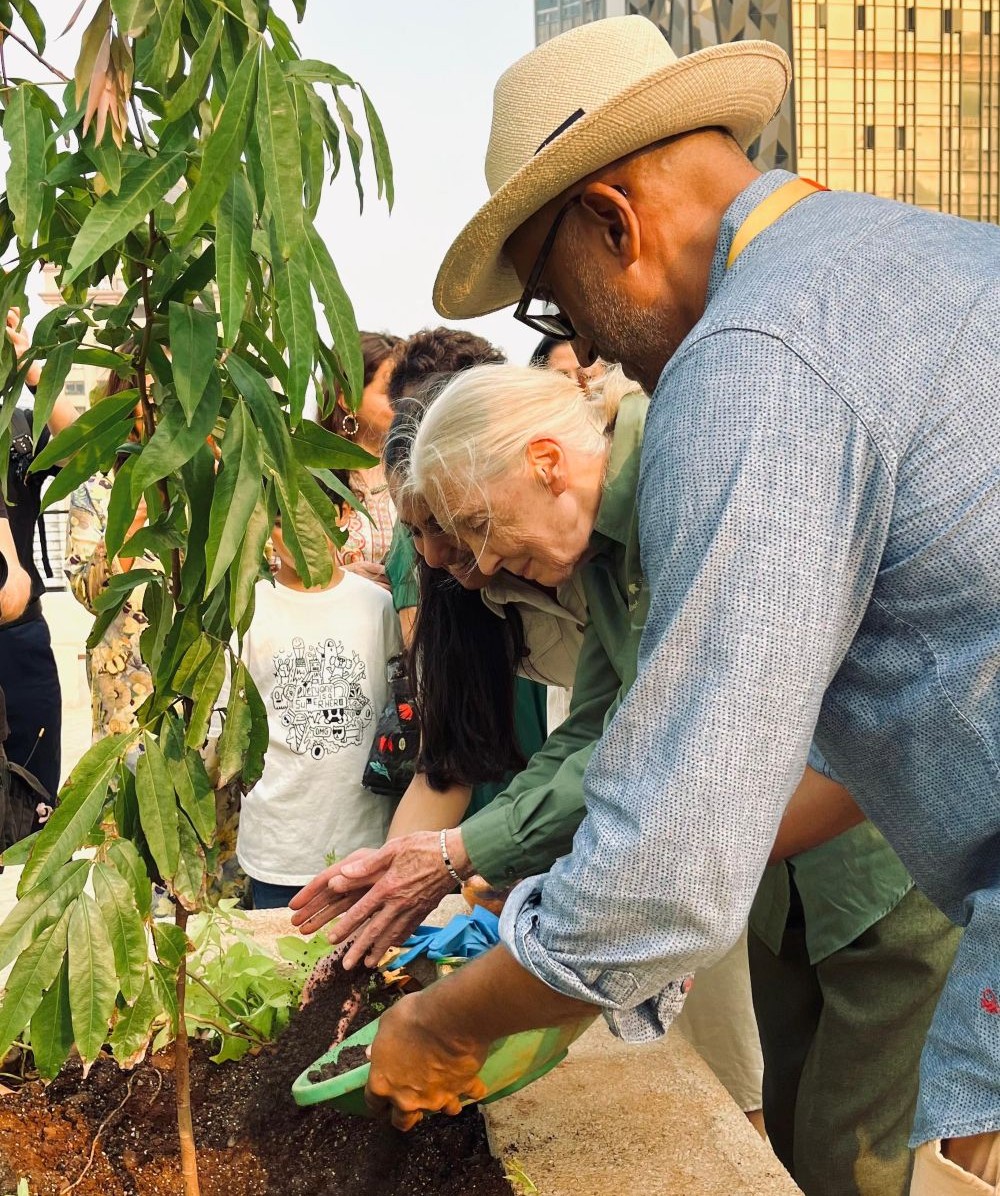
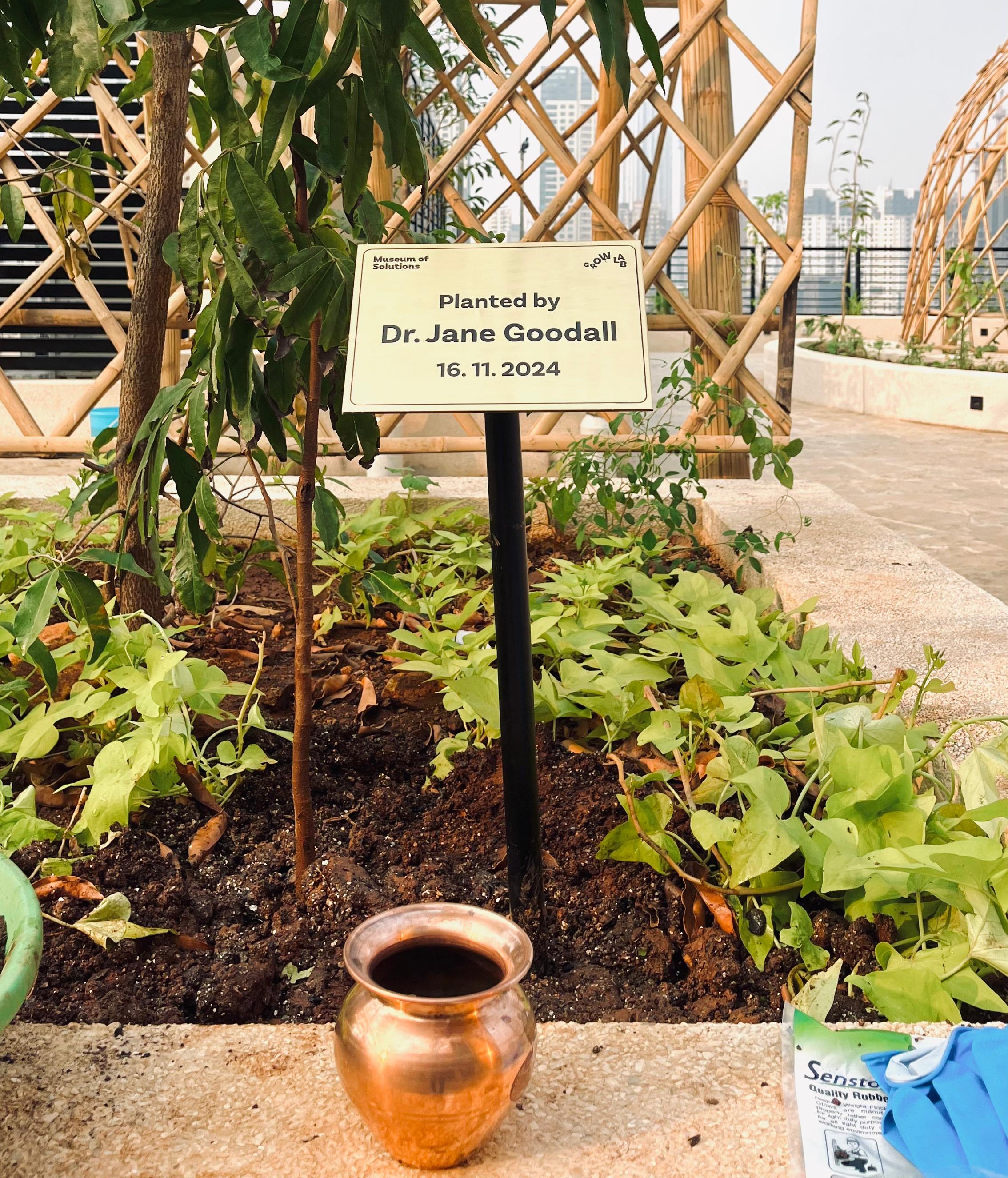
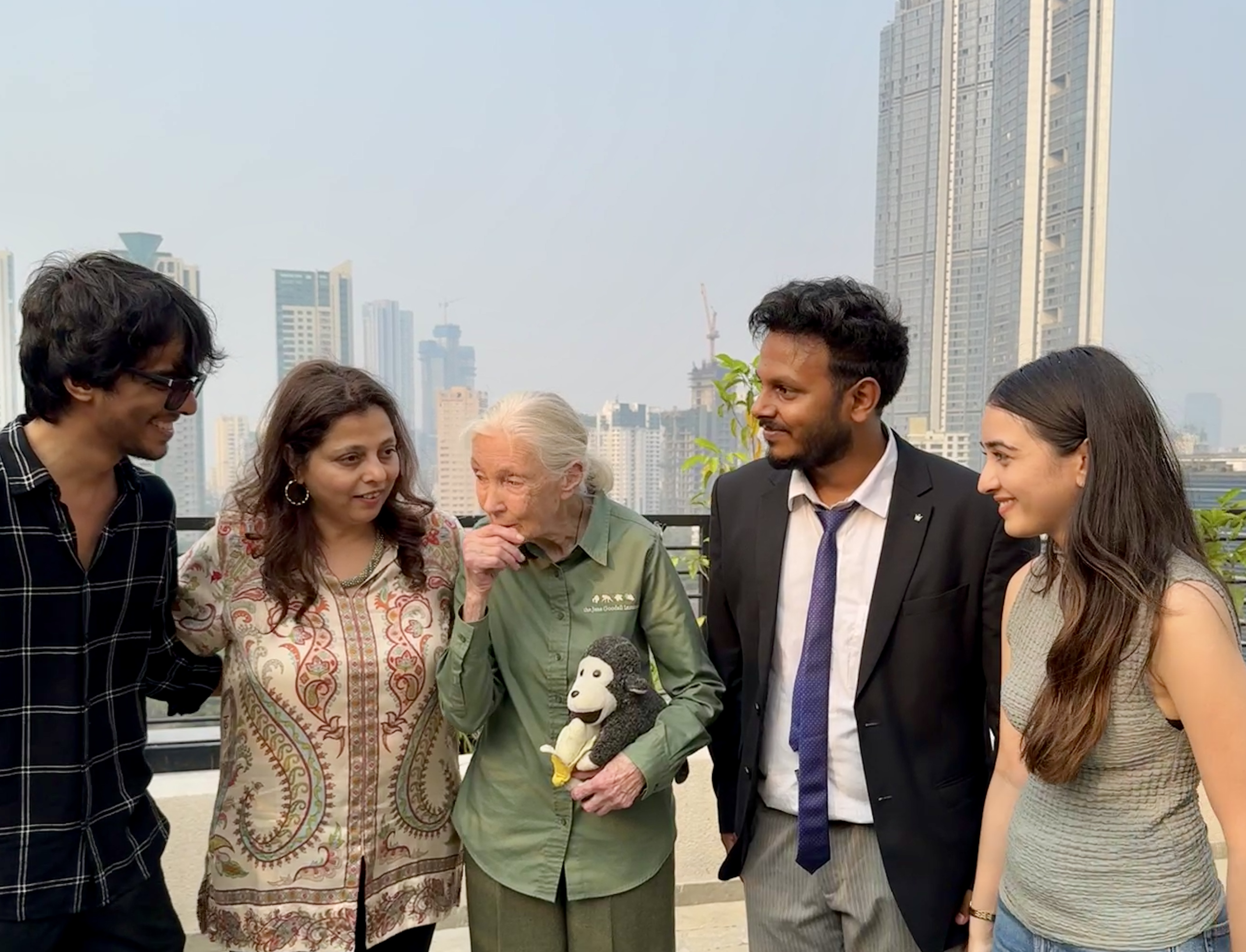
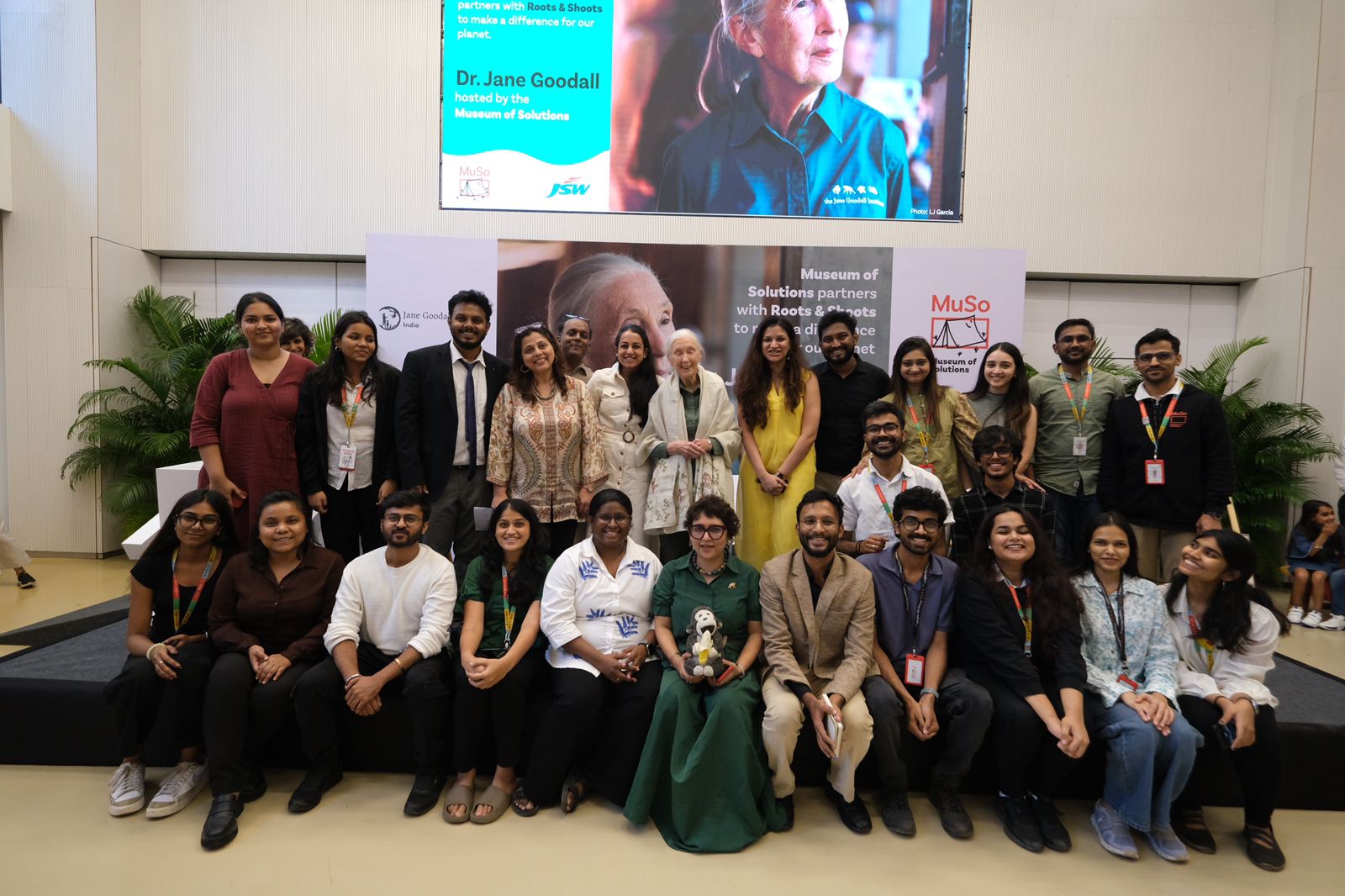
GROW LAB was inaugurated by Dr. Jane Goodall, who visited the Museum of Solutions to plant a sapling at the exhibit. Her visit brought international recognition to the exhibit and to the ecological principles at its core.
OUTCOME
GROW LAB opened as a permanent exhibit and is part of a museum that received TIME’s 100 World’s Greatest Places 2024 recognition and won the Children in Museums Award from Hands-On International. The museum draws 50,000+ visitors every half-year across all floors on the same ticket.
All installations are real: active beehives, working compost, growing plants, and live sustainable farming setups. Designing for live biological systems added a layer of constraint and responsibility that doesn’t exist in static exhibit work: every spatial and interaction decision had to account for the ongoing presence of living organisms in a children’s environment.
As Design Lead, the work spanned concept through fabrication handoff, coordinating a team of junior designers and the Director of Exhibits, and translating input from botanists, educationists, and a permaculturist into spatial sequencing, material choices, and installation interaction design.